The Ultimate Guide to a Versatile, Cost-Effective Engineered Wood Product
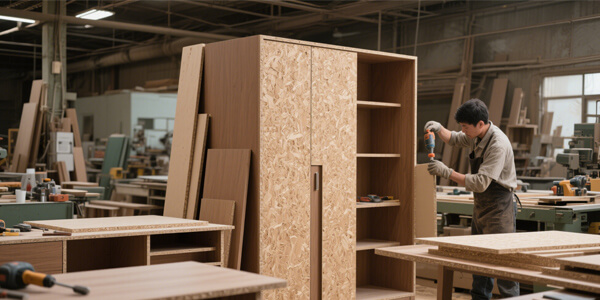
When it comes to modern construction and interior design, Oriented Strand Board (OSB) has emerged as a game-changing material. Combining strength, sustainability, and affordability, OSB is redefining how builders, architects, and DIY enthusiasts approach projects. In this comprehensive guide, we’ll explore why OSB is a must-have for your next venture and how it outperforms traditional alternatives.
What Is OSB?
Oriented Strand Board (OSB) is an engineered wood panel made by compressing layers of wood strands with waterproof adhesives under high heat and pressure. Unlike traditional plywood, OSB utilizes fast-growing, sustainable timber resources, arranged in cross-oriented layers for exceptional dimensional stability and load-bearing capacity.
Key Advantages of OSB
1. Superior Structural Performance
OSB’s cross-layered design ensures uniform strength in all directions, making it ideal for:
-
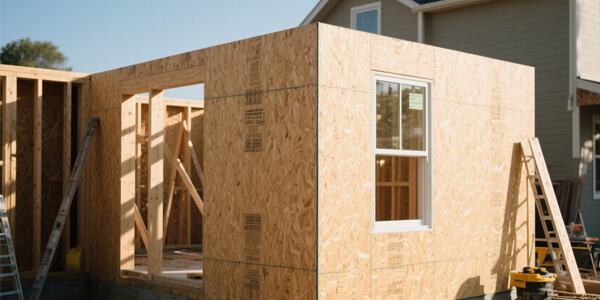
Sheathing: Roofs, walls, and floors.
-
Subflooring: Stable base for finished flooring.
-
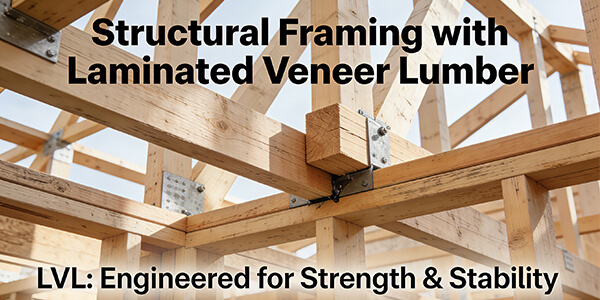
Load-bearing applications: Beams, I-joists, and structural panels.
With high MOE (Modulus of Elasticity) and MOR (Modulus of Rupture) ratings, OSB meets rigorous building codes (e.g., APA/CSA standards) for residential and commercial use.
2. Cost-Efficiency Without Compromise
OSB delivers comparable—or superior—performance to plywood at a 20–30% lower cost. Its efficient manufacturing process minimizes waste, passing savings to builders and homeowners.
3. Eco-Friendly Choice
-
Sustainable sourcing: Made from fast-growing, small-diameter trees (e.g., aspen, pine).
-
Low waste: Utilizes up to 90% of raw timber vs. 50% in plywood production.
-
Certifications: Compliant with FSC, PEFC, and CARB Phase 2 regulations.
4. Moisture Resistance
Modern OSB panels feature advanced resin systems and edge sealing, providing reliable performance in humid environments. Certain grades (e.g., OSB/3, OSB/4) are engineered for high moisture exposure, perfect for roofing and temporary outdoor installations.
5. Design Flexibility
OSB’s uniform texture and neutral appearance make it a favorite for modern aesthetics. Use it for:
-
Interior accents: Feature walls, cabinetry, and furniture.
-
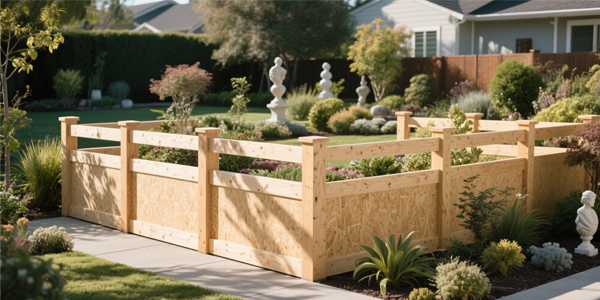
DIY projects: Shelving, workbenches, and decorative panels.
-
Temporary structures: Event staging, formwork, and signage.
OSB vs. Plywood: Why Choose OSB?
While plywood remains popular, OSB excels in:
-
Consistency: No voids or knots.
-
Edge durability: Resists splitting during fastening.
-
Large-format panels: Minimizes joints for faster installation.
Installation Tips for Optimal Results
-
Acclimate panels: Store OSB onsite for 48 hours before installation.
-
Seal edges: Use waterproof tape or sealant in high-moisture areas.
-
Fasten correctly: Follow manufacturer spacing guidelines for nails/screws.
Partner with GalaxyOSB for Premium OSB Solutions
At GalaxyOSB , we supply certified, high-performance OSB tailored to your project needs. Our products undergo rigorous quality checks to ensure:
-
Zero delamination: Industry-leading IB (Internal Bond) strength.
-
Precision sizing: Custom cuts available.
-
Fast delivery: Nationwide logistics network.
Ready to elevate your project? Explore our OSB product line or contact our experts for personalized guidance.
OSB Plywood for Roof Construction Benefits Applications and Best Practices Introduction
OSB Manufacturing, Properties, and Sustainable Applications in Modern Construction
Related Article